


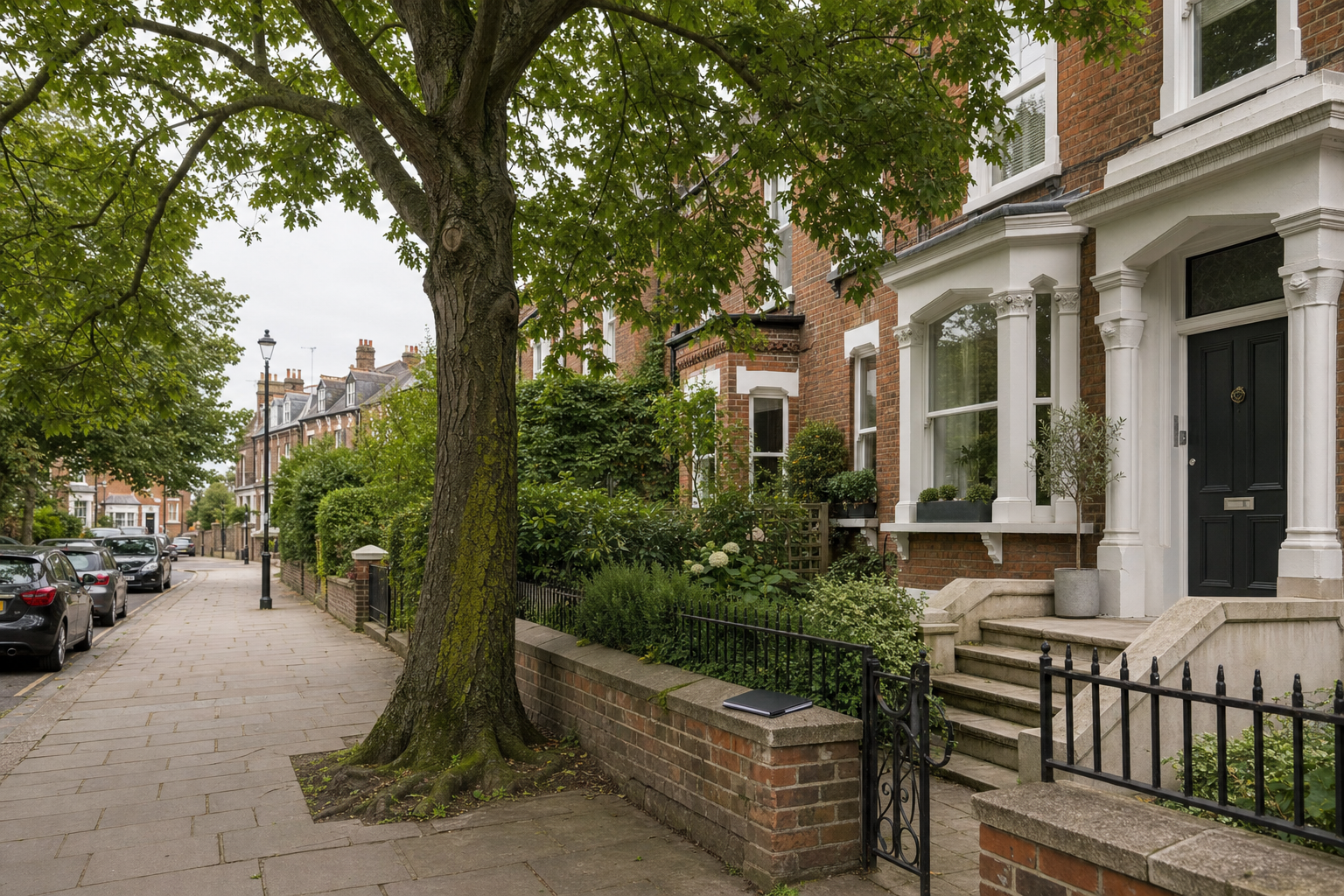
Why a survey often saves time later
Decisions based on evidence
We inspect the tree's condition and surroundings before recommending work of any kind.
Priorities made clearer
The report helps separate urgent issues from work that can be planned more calmly.
Permissions considered early
We check likely restrictions so you are not planning work that cannot yet proceed.
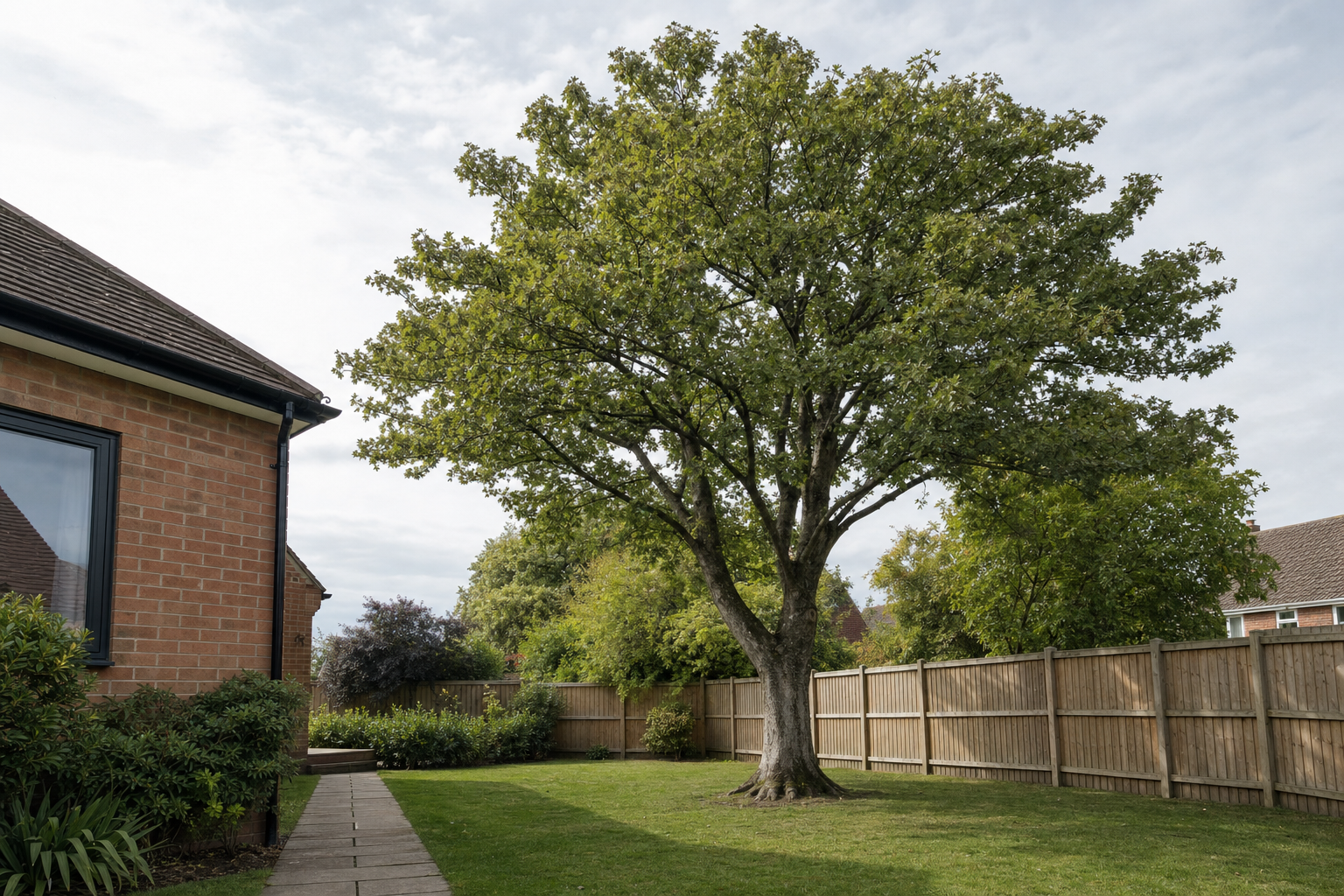
Get a reasoned view before major work is chosen
Sometimes you do not want someone to arrive with a saw. You want a calm, evidence-led view of what the tree is doing and whether it is actually a problem. Our surveys assess tree health, structural stability, disease, decay, site conditions and the way the tree interacts with buildings, paths, gardens and neighbouring property. That helps when a tree has visible defects, worries you after bad weather or simply seems to be changing in a way that is hard to read from ground level. We also check whether Tree Preservation Orders or conservation-area controls may affect the work, because the practical answer is not always only about the tree itself.
Reports that explain findings and priorities plainly
A useful tree safety report should not leave you guessing which bit matters. We set out observed defects, the significance of what we have found, and the action that appears most appropriate from monitoring to pruning, support work, advanced decay testing or removal. If permissions are needed, we can assist with that process too. The service suits homeowners, property managers and businesses that need more than a hunch before spending money or making a safety decision. It is especially valuable where several options are possible and you want the work chosen for a reason, not because it happened to be the loudest suggestion on the day.
Frequently asked questions
When should I book a tree safety survey?
A survey is useful when a tree shows defects, stands close to buildings or paths, seems to be declining, or needs an informed decision before work is planned. It is also sensible for managed sites where tree condition needs recording rather than relying on memory or assumptions.
Will the report tell me if work is urgent?
Yes. We explain what has been observed, how significant it appears and whether the findings suggest urgent action, planned maintenance, further testing or continued monitoring. The aim is to give you priorities you can act on rather than a vague list that leaves the real decision untouched.
Can you help if the tree may be protected?
Yes. If Tree Preservation Orders or conservation-area controls may apply, we take that into account and can assist with the permission side of the process. That helps you move forward with a clearer idea of both the tree issues and the practical steps needed before work can start.