


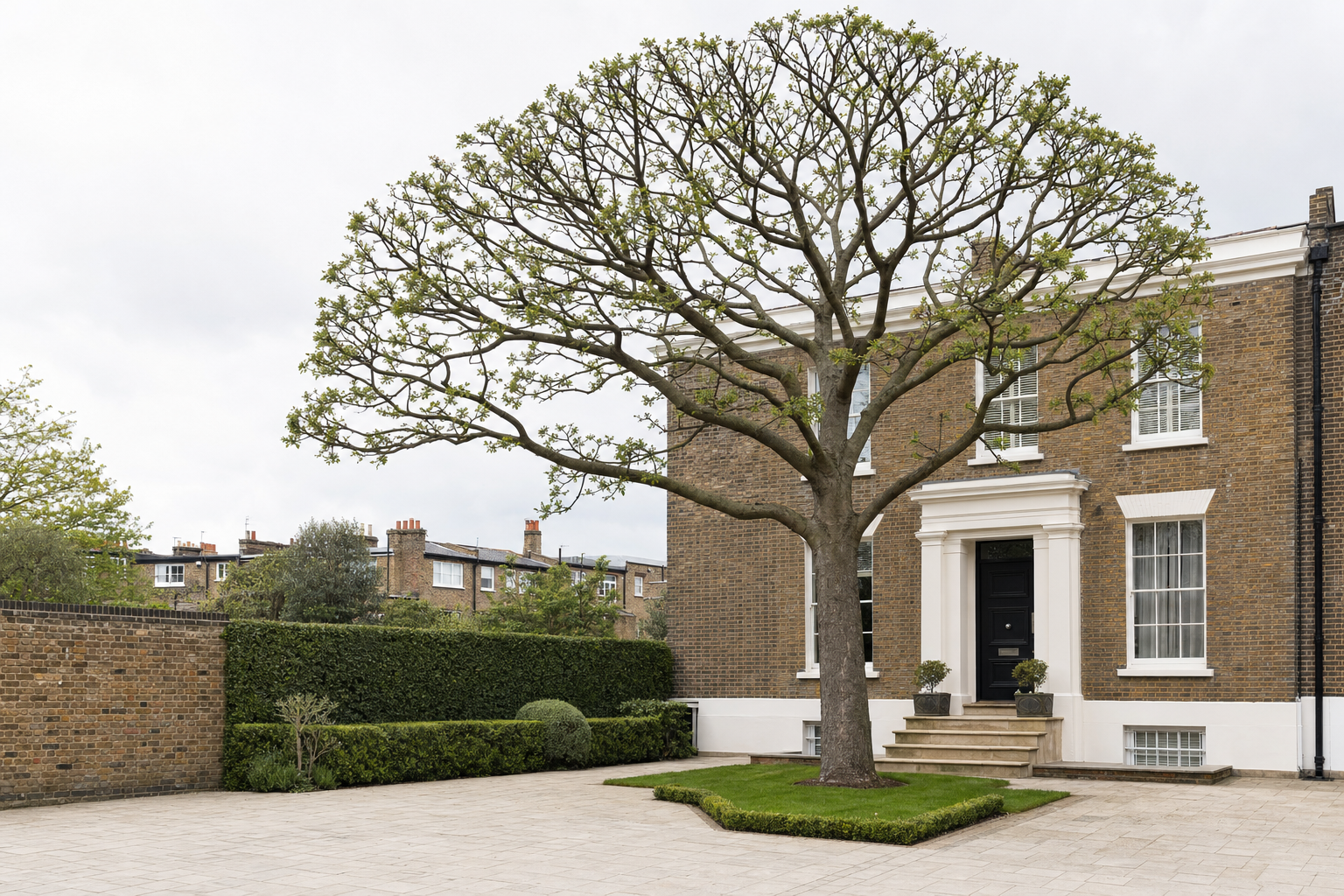
Why careful pruning pays off
Better clearance
We can ease pressure around roofs, paths and neighbouring space without defaulting to removal.
Less canopy strain
Thoughtful reduction can lower loading on overextended limbs and weaker branch unions.
Healthier regrowth
Well-placed cuts support a stronger response than rough trimming done in the wrong places.
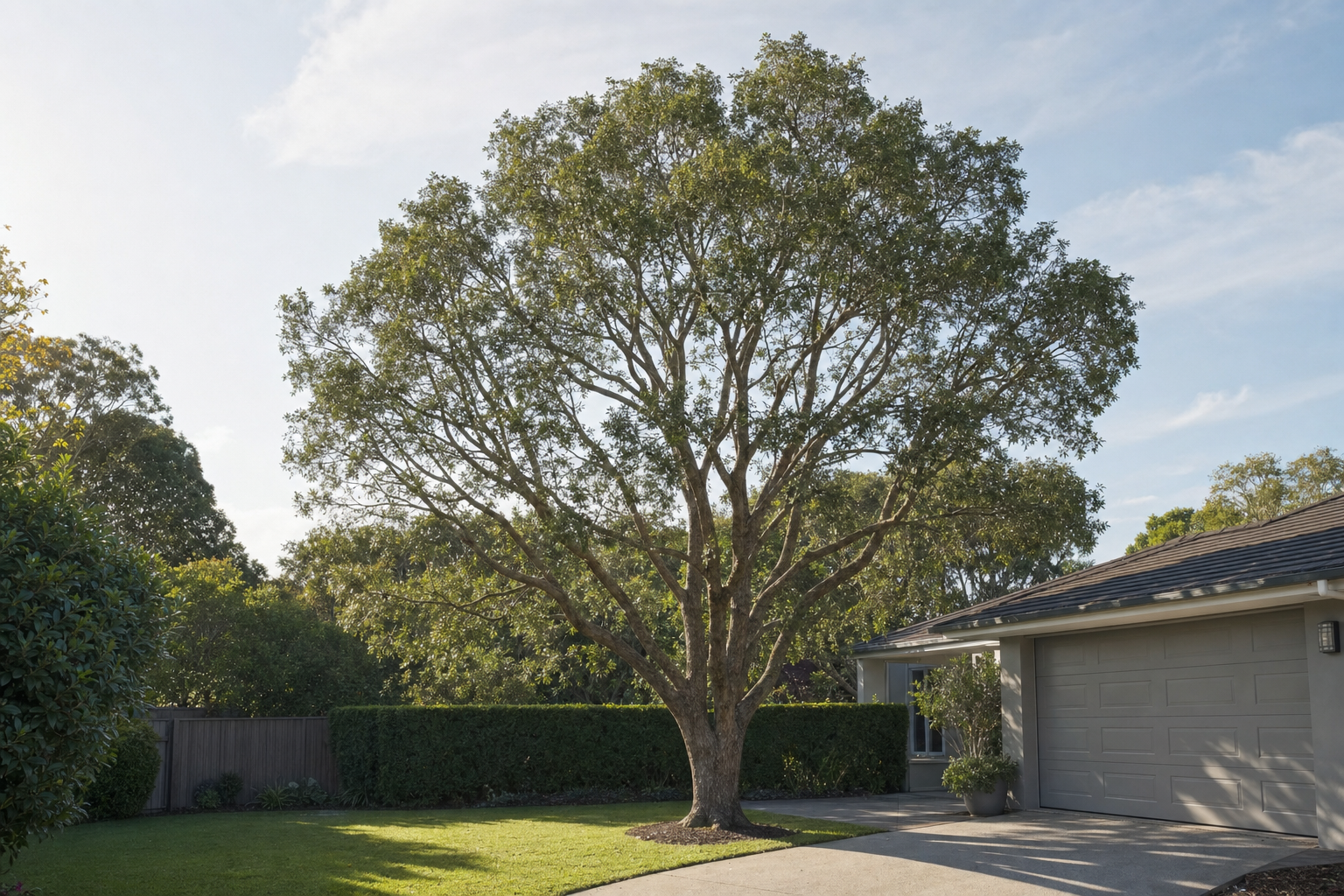
Reduce size without losing the tree's shape
A tree does not need removing to be causing trouble. Sometimes it is the long limb over the drive, the branches brushing the roof, the canopy taking too much weight, or the shape drifting beyond the space it has. We explain the difference between selective pruning, crown reduction and removing dead or damaged limbs so the treatment matches the problem. Crown reduction is about reducing height or spread while keeping a balanced framework and suitable growth points. Done properly, it can improve clearance, lower canopy loading and keep a tree manageable without leaving it looking as though someone lost patience halfway through.
Cuts placed with the tree's future in mind
The amount we reduce depends on species, age, condition, season and whatever has been done to the tree before. Old poor cuts usually make today's decisions more awkward, not less. We work in line with BS3998 recommendations, placing cuts with long-term health and regrowth in mind rather than taking the quickest shortcut. If a light prune will solve the issue, we say so. If more structure needs managing, we explain where and why, so you know what the tree should look like afterwards and what future maintenance may involve.
Frequently asked questions
What is the difference between pruning and crown reduction?
Pruning is a broad term that can include deadwood removal, thinning or selective branch work. Crown reduction is more specific. It reduces the overall height or spread of the tree while keeping a balanced framework, so the size changes without the canopy becoming lopsided or harsh.
How much can a tree be reduced?
There is no sensible one-size answer. The amount depends on the species, age, condition, growth pattern and past pruning. We assess the tree in person and recommend a level of reduction that deals with the issue without creating unnecessary stress or poor future growth.
Will the tree look harsh after the work?
It should not if the right treatment is chosen and the cuts are placed properly. Our aim is to manage the tree's size and structure while keeping it balanced and natural in outline, not to leave you with a canopy that looks clipped back to the point of argument.