


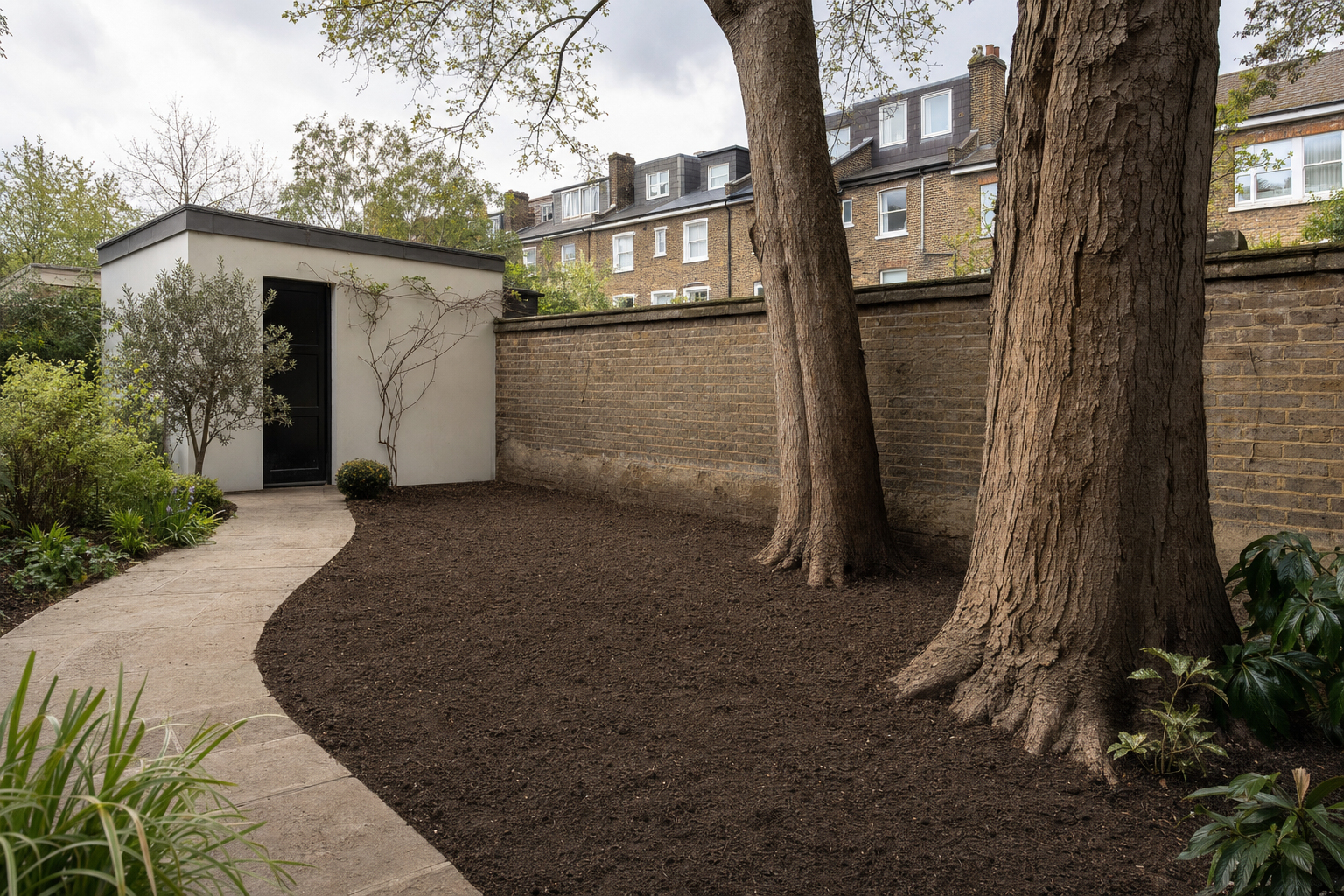
Why customers decide to remove ivy
Hidden defects revealed
Removing dense cover makes it easier to inspect trunks, unions and structural concerns.
Less domination of smaller trees
Control helps prevent vigorous ivy from overwhelming trees that need their own space.
Cleaner access around structures
Walls, fences and built features can be freed from growth that has spread too far.
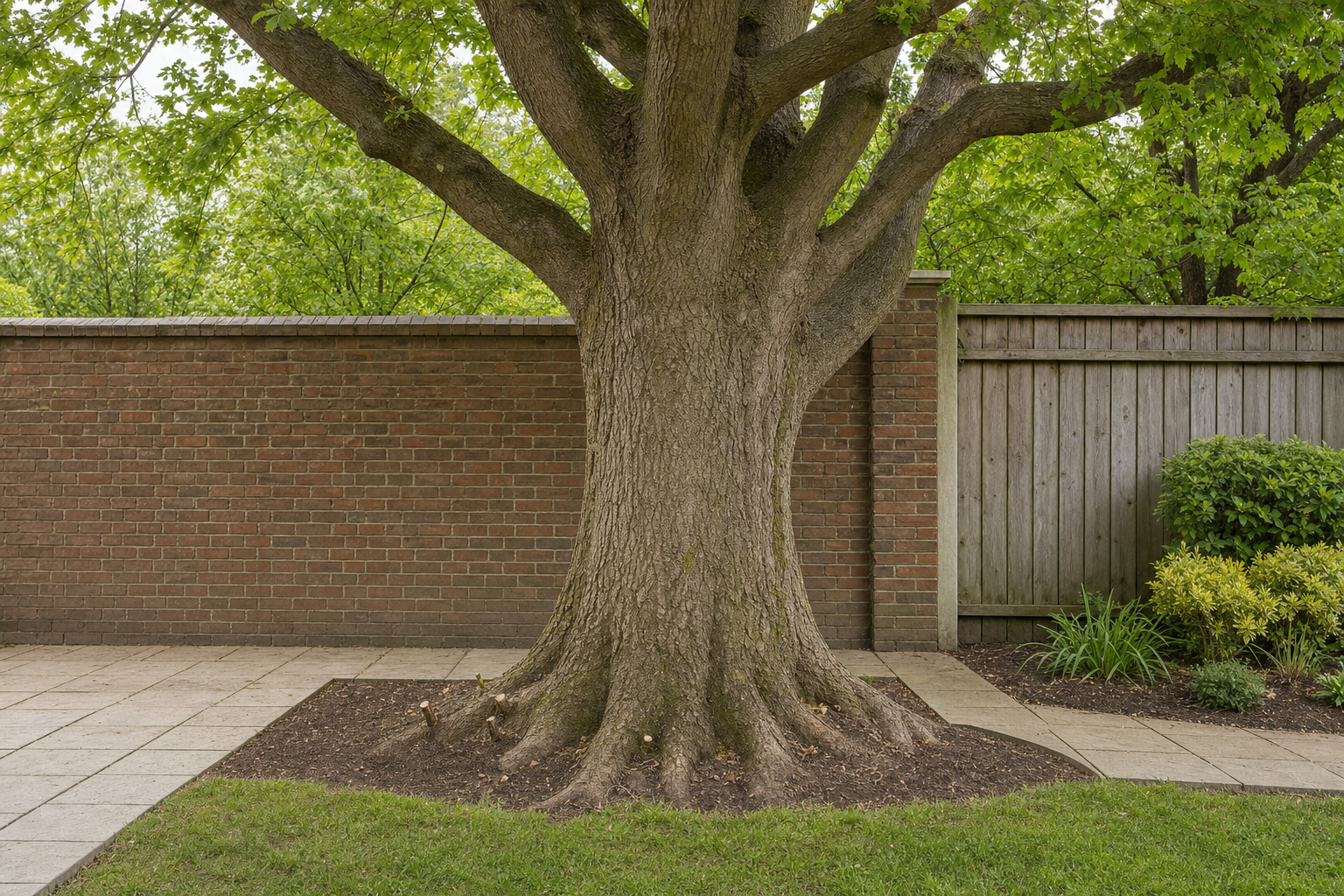
Strip back growth that hides the tree underneath
Dense ivy can make a tree look fuller than it is, which may be impressive until you need to inspect the trunk, branch unions or overall condition. It can hide defects, add weight, compete with smaller trees and spread across nearby walls or structures until everything starts blending into one green argument. At Capital Tree Management Ltd, we remove ivy carefully around the host tree and surrounding surfaces, choosing a method that suits the height, density, attachment points and access. In some cases, the first priority is simply restoring visibility for proper assessment. In others, the aim is fuller control where the ivy is dominating the tree or pushing into structures that need to be kept clear.
Staged removal and follow-up control where needed
The process is rarely a case of tearing everything away in one go. We usually sever and remove the growth in stages so the host tree and nearby surfaces are treated with care, especially where mature ivy has developed strong attachment. We also consider what should happen at the base, because new growth can return if regrowth is left to get comfortable again. As part of a complete ivy-management plan, we can clear removed stems and foliage and advise on follow-up control. The result is a tree or structure you can properly inspect and manage again, rather than one still wearing a very leafy disguise.
Frequently asked questions
Why remove ivy from a tree at all?
The main reason is usually access to the tree itself. Dense ivy can hide defects, obscure branch unions and make inspection or maintenance far harder. It may also add weight, dominate smaller trees or spread onto nearby structures, which makes control and assessment more difficult over time.
Can ivy be removed without harming the tree?
Yes, when it is approached carefully. The method depends on how dense the ivy is, where it is attached and what condition the host tree is in. We plan the removal around the tree and the surrounding surfaces so the work restores access without creating unnecessary damage.
Will the ivy just grow back again?
It can if basal regrowth is left unmanaged. That is why we look at follow-up control as well as the main removal. By dealing with the growth at the base and setting out what to watch for afterwards, we can help stop the same problem quietly rebuilding itself.