


Why advanced testing can be worth it
Internal condition explored
Testing helps reveal what visual signs alone cannot confirm inside the stem.
Retention decisions supported
Important trees can be assessed more carefully before drastic action is chosen.
Next steps explained clearly
Findings are linked to practical advice on monitoring, support, pruning or removal.
Look beyond surface signs when internal condition matters
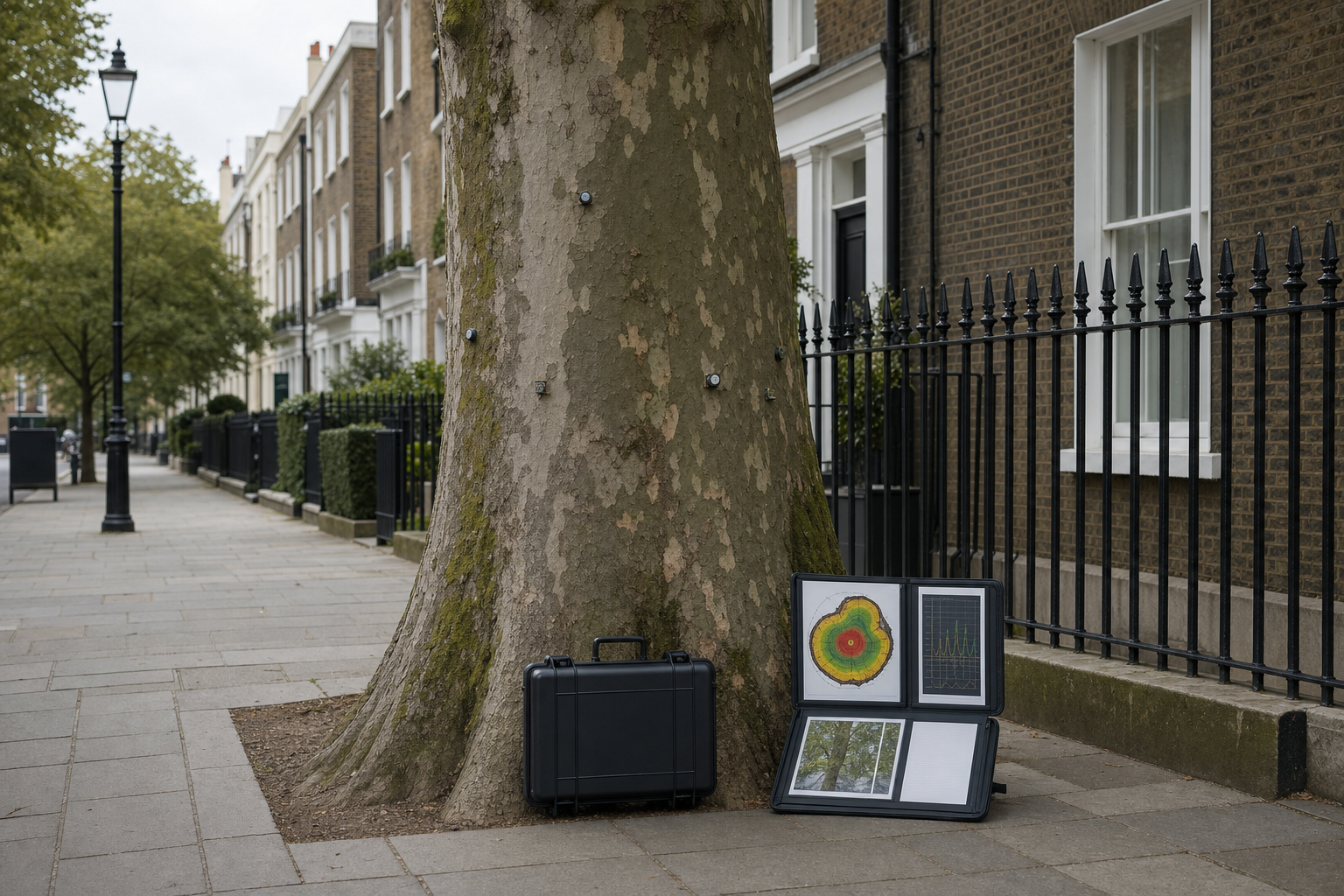
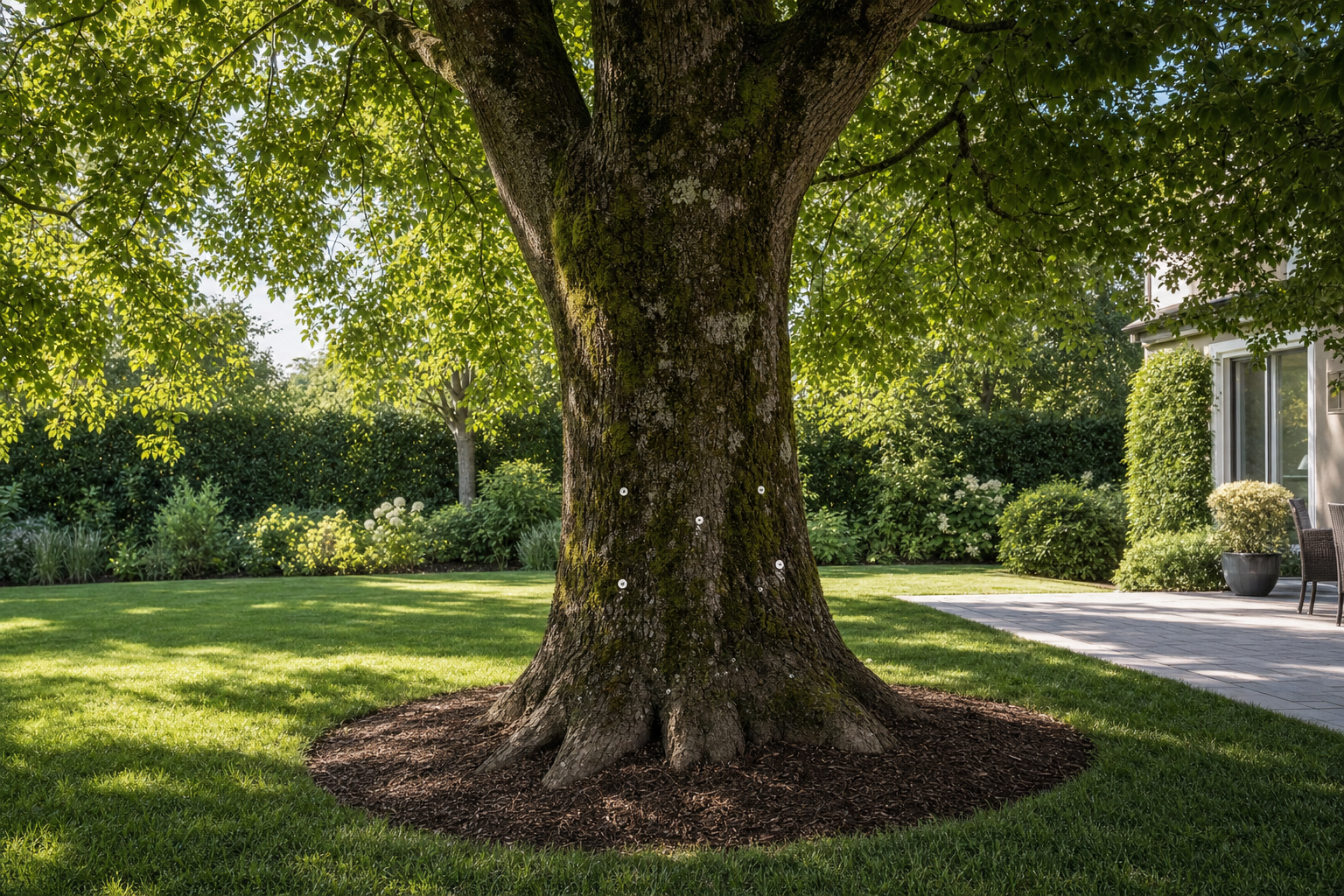
A cavity, fungal growth, a long-standing defect or concern about a significant tree does not always tell the whole story from the outside. When internal condition needs closer investigation, Capital Tree Management Ltd can use PiCUS sonic tomography and Resistograph testing to build a better picture of what is happening within the stem. These methods complement visual assessment rather than replacing it. PiCUS uses sound-wave measurements to create an image of internal condition and possible decay patterns, while Resistograph testing measures drilling resistance to investigate changes in wood density. Used sensibly, they help move the decision away from guesswork when retention, remedial work or removal carries real consequences.
Testing that supports clearer management decisions
The value of advanced testing is not in the equipment alone. It is in how the findings are interpreted and what they mean for the tree and the space around it. We use test results alongside site observations to advise on monitoring, pruning, cable bracing, risk management or removal where appropriate. Not every tree needs both methods, and not every concern needs instrumented testing at all. We assess the circumstances first, then recommend the level of investigation that fits the tree's condition and the importance of the decision being made. That way the process stays evidence-led rather than gadget-led, which is a relief for everyone except perhaps the gadget.
Frequently asked questions
When is decay testing better than a visual check alone?
Testing is useful when visual signs suggest internal decay or structural change but the extent is unclear, especially on significant trees or where the decision has major consequences. It adds evidence when you need to know more than a surface inspection can honestly confirm.
Do both PiCUS and Resistograph need to be used?
Not always. They do different jobs and may be used separately or together depending on the question being asked. We assess the tree first, then recommend the most suitable level of investigation instead of defaulting to every available method for the sake of it.
What do the results help decide?
The findings can support decisions about monitoring, pruning, cable bracing, wider risk management or removal. The aim is to connect the test results to a practical course of action, so you are left with something useful rather than a technical printout that explains very little on its own.